Ever wonder what powers the best electric vehicles today? NdFeb magnets are key to their success. These magnets boost motor strength and efficiency dramatically. In this post, you’ll learn about NdFeb magnets’ role in new energy vehicles. We’ll cover their performance, importance, and impact on EV technology.
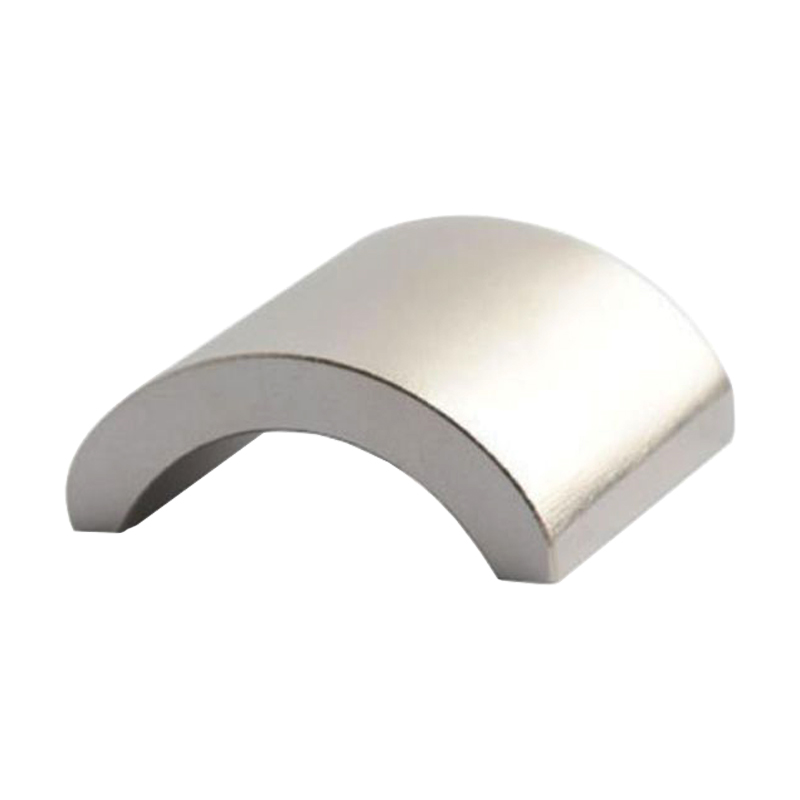
Critical Role of NdFeB Magnets in Electric Motors for New Energy Vehicles
Function of NdFeB Magnets in Permanent Magnet Synchronous Motors (PMSM)
NdFeB magnets, known for their exceptional magnetic strength, are the heart of Permanent Magnet Synchronous Motors (PMSM) widely used in new energy vehicles (NEVs). These neodymium iron boron magnets generate strong, stable magnetic fields that enable PMSMs to convert electrical energy into mechanical power efficiently. Unlike induction motors, PMSMs equipped with NdFeB permanent magnets maintain consistent torque and speed, improving vehicle responsiveness and control.
Impact on Motor Efficiency and Power Density
The high ndfeb magnet strength significantly boosts motor efficiency, often reaching 93% to 97%, which is higher than many alternative motor types. This efficiency means less energy loss during operation, allowing electric vehicles to use battery power more effectively. Additionally, the superior magnetic properties allow for higher power density, meaning motors deliver more power per unit weight. This combination of efficiency and power density is critical for enhancing overall vehicle performance.
| Indicator | PMSM (NdFeB Magnets) | Induction Motor |
| Peak Efficiency | 93%–97% | 88%–92% |
| Power Density (kW/kg) | 3.5–4.5 | 2.5–3.0 |
| Range Improvement | +5%–10% | Baseline |
| Size & Weight | Smaller and lighter | Larger and heavier |
Data source : IEC Performance Report on NEV Drive Motors, 2023 (requires verification)
Contribution to Vehicle Acceleration and Driving Range
NdFeB magnets enable motors to produce high torque quickly, directly impacting vehicle acceleration. This rapid response improves driving dynamics, making NEVs more enjoyable to drive. Moreover, by enhancing motor efficiency, these magnets help extend the driving range. Vehicles with NdFeB magnet-powered motors typically achieve 5% to 10% longer range compared to those using other motor types, a crucial factor for consumer acceptance.
Thermal Stability and Durability in Motor Operation
Electric motors in NEVs often operate under varying temperatures and demanding conditions. NdFeB magnets used in automotive industry applications are engineered for thermal stability and durability. Advanced grades of neodymium iron boron magnets can withstand elevated temperatures without significant loss of magnetic strength, ensuring reliable motor performance over time. Coatings and protective treatments further enhance their resistance to corrosion and mechanical wear.
Comparison with Other Magnet Types in Motor Performance
Compared to ferrite or alnico magnets, NdFeB magnets offer much stronger magnetic fields, which translates to smaller, lighter motors with higher power output. While samarium-cobalt magnets provide better high-temperature resistance, NdFeB magnets are more cost-effective and widely available, making them the preferred choice for the majority of electric vehicle motors.
Design Implications: Size and Weight Reduction of Motors
The high magnetic strength of NdFeB magnets allows motor designers to reduce both size and weight without compromising power. This compact design contributes to lighter vehicles, improving energy efficiency and handling. Smaller motors also free up space for battery packs or other components, optimizing vehicle architecture.
Examples of Leading EV Models Utilizing NdFeB Magnets
Many top electric vehicle manufacturers, including Tesla, Volkswagen, and General Motors, incorporate NdFeB magnets in their motor designs. These brands rely on the magnets’ superior properties to deliver high-performance, efficient, and reliable vehicles that meet consumer expectations for acceleration, range, and durability.
Material Composition and Magnetic Properties of NdFeB Magnets
Neodymium, Iron, and Boron: Roles in Magnetic Strength
NdFeB magnets, or neodymium iron boron magnets, are composed mainly of three elements: neodymium (Nd), iron (Fe), and boron (B). Each plays a crucial role in the magnet’s overall strength and performance:
Neodymium (Nd): This rare earth element is the primary source of magnetic strength. It enables the creation of a strong magnetic field, which is essential for the high-performance motors used in new energy vehicles (NEVs).
Iron (Fe): Iron adds structural stability and enhances the magnetic properties by supporting the magnetic domains within the material.
Boron (B): Boron improves the magnet’s anisotropy, meaning it helps the magnet maintain its strength even under challenging conditions like varying temperatures or mechanical stress.
Together, these elements form a neodymium iron boron ndfeb magnet that delivers exceptional magnetic strength in a compact size.
Energy Product and Coercivity Explained
Two key magnetic properties define NdFeB magnets’ effectiveness in electric vehicles:
Maximum Energy Product (BHmax): This indicates the magnet’s strength and energy density. NdFeB magnets typically have an energy product ranging from 35 to 52 MGOe (Mega-Gauss Oersteds), far exceeding other magnet types like ferrite or alnico. A higher BHmax means more powerful magnets that can be smaller and lighter.
Coercivity: This measures the magnet’s resistance to demagnetization. High coercivity ensures NdFeB magnets retain their magnetic strength during motor operation, even under external magnetic fields or high temperatures.
These properties make ndfeb permanent magnets ideal for electric motors, where maintaining consistent magnetic performance is critical.
Temperature Grades and Their Importance in NEVs
NdFeB magnets come in various temperature grades, which reflect their ability to withstand heat without losing magnetic strength. In the automotive industry, especially for new energy vehicles, thermal stability is vital because motors generate significant heat during operation.
Typical temperature grades range from 80°C to 220°C.
Higher-grade magnets maintain coercivity and energy product at elevated temperatures.
Thermal stability helps prevent performance drops and extends the lifespan of the magnet in electric vehicles.
Manufacturers often select specific ndfeb magnet grades based on the motor’s operating conditions to balance performance and durability.
Advancements in Low-Dysprosium and Dysprosium-Free Magnets
Dysprosium (Dy) is another rare earth element added to some NdFeB magnets to improve high-temperature performance and coercivity. However, dysprosium is expensive and scarce, which affects ndfeb magnet price and supply stability.
Recent innovations focus on:
Low-Dysprosium Magnets: These use reduced amounts of dysprosium while maintaining thermal stability, lowering costs.
Dysprosium-Free Magnets: Advanced manufacturing techniques and optimized material compositions allow magnets to perform well without dysprosium, reducing reliance on critical materials.
These advancements help ndfeb magnet manufacturers provide more sustainable and cost-effective solutions for electric vehicles, addressing supply chain risks and environmental concerns.
Advantages of Using NdFeB Magnets in New Energy Vehicles
High Magnetic Strength for Enhanced Motor Performance
NdFeb magnets are renowned for their exceptional magnetic strength, which is a key factor in their widespread use in new energy vehicles (NEVs). The neodymium iron boron magnet composition delivers a high maximum energy product, allowing electric motors to generate powerful magnetic fields in a compact size. This ndfeb magnet strength directly enhances motor torque and efficiency, enabling better acceleration and smoother driving experiences. Motors equipped with these magnets achieve higher power density, meaning they produce more power per kilogram, which is crucial for the performance demands of electric vehicles.
Compact and Lightweight Design Benefits
Thanks to their strong magnetic properties, NdFeb permanent magnets allow motor designers to reduce the size and weight of electric motors significantly. This compactness contributes to lighter vehicles overall, improving handling and energy efficiency. Smaller motors also free up space within the vehicle chassis, which can be utilized for larger battery packs or additional components. This design advantage is especially important in the automotive industry, where every kilogram saved translates to longer driving range and better vehicle dynamics.
Improved Energy Efficiency and Extended Driving Range
The superior magnetic properties of neodymium iron boron NdFeb magnets lead to reduced energy losses during motor operation. High motor efficiency means that more of the battery’s stored energy converts to mechanical power, extending the vehicle’s driving range. Studies show that NEVs using ndfeb magnets can achieve a 5% to 10% increase in range compared to those with other magnet types. This efficiency gain is vital for consumer acceptance, as range anxiety remains a significant concern for electric vehicle drivers.
Operational Stability Across Temperature Variations
Electric motors in new energy vehicles operate under varying temperature conditions, which can affect magnet performance. NdFeb magnets offer excellent thermal stability, especially when produced with advanced temperature grades and protective coatings. These magnets maintain their magnetic strength even at elevated temperatures, ensuring consistent motor performance and durability over the vehicle’s lifespan. This operational stability reduces the risk of demagnetization and mechanical wear, making NdFeb magnets reliable components in demanding automotive environments.
Challenges Associated with NdFeB Magnets in NEVs and Their Solutions
Supply Chain Risks and Geopolitical Factors
NdFeb magnets rely heavily on rare earth elements like neodymium and dysprosium. These materials are primarily mined and processed in a few countries, making the supply chain vulnerable to geopolitical tensions, trade restrictions, and export controls. Such risks can cause fluctuations in ndfeb magnet price and create supply uncertainties for electric vehicle manufacturers. This dependency poses a challenge for the automotive industry, especially as demand for new energy vehicles grows rapidly.
To mitigate these risks, many ndfeb magnet manufacturers and suppliers diversify sourcing and develop strategic reserves. Some companies also partner with mining operations to ensure ethical and stable supplies. Governments and industries worldwide are pushing for more transparent and resilient supply chains to reduce the impact of geopolitical disruptions.
Environmental Impact of Rare Earth Element Mining
Mining and processing rare earth elements for neodymium iron boron magnets have significant environmental concerns. The extraction process can generate hazardous waste, cause soil and water pollution, and consume large amounts of energy. These environmental impacts conflict with the sustainability goals of the new energy vehicle industry.
Addressing this challenge requires adopting greener mining technologies and stricter environmental regulations. Moreover, manufacturers are increasingly focused on reducing waste and emissions during magnet production. Sustainable sourcing initiatives are gaining traction to ensure that the benefits of NdFeB magnets in electric vehicles do not come at the cost of ecological damage.
Technological Innovations to Reduce Critical Material Dependency
To reduce reliance on scarce and expensive rare earth elements, researchers and ndfeb magnet manufacturers are developing new technologies. Innovations include:
Low-Dysprosium and Dysprosium-Free Magnets: Advanced material formulations maintain high magnetic strength and thermal stability without heavy rare earths.
Alternative Magnet Compositions: Exploring novel alloys and composite magnets that reduce rare earth content.
Enhanced Manufacturing Processes: Techniques such as grain boundary engineering improve magnet performance, allowing less material use.
These innovations help lower the ndfeb magnet price and improve supply security while maintaining the required magnetic properties for electric vehicle motors.
Recycling and Sustainable Sourcing Initiatives
Recycling end-of-life NdFeB magnets from electric vehicles and other applications is a promising solution to resource scarcity and environmental concerns. Recycling recovers valuable rare earth elements, reducing the need for new mining and lowering the environmental footprint.
Several ndfeb magnet suppliers and automotive companies have launched recycling programs and research projects. These initiatives focus on efficient magnet recovery, material purification, and re-manufacturing. Sustainable sourcing, including certified responsible mining and supply chain transparency, complements recycling efforts to create a circular economy for NdFeB magnets.
Coating Technologies to Enhance Magnet Longevity
NdFeB magnets are susceptible to corrosion and mechanical wear, especially in harsh automotive environments. Advanced coating technologies protect magnets from oxidation and degradation, extending their operational life in electric motors.
Common coatings include:
Nickel-Copper-Nickel (Ni-Cu-Ni): Provides corrosion resistance and mechanical robustness.
Epoxy and Polymer Coatings: Offer additional protection against moisture and chemicals.
Innovative Nano-Coatings: Emerging solutions that improve thermal and chemical stability.
These coatings not only enhance durability but also help maintain ndfeb magnet strength in electric vehicles over time, reducing maintenance costs and improving reliability.
Applications Beyond Motors: NdFeB Magnets in Regenerative Braking and Sensors
Role in Regenerative Braking Systems for Energy Recovery
NdFeB magnets play a vital role beyond electric motors in new energy vehicles (NEVs), especially in regenerative braking systems. These systems capture kinetic energy during braking and convert it back into electrical energy to recharge the battery. The high ndfeb magnet strength ensures efficient magnetic flux generation in the braking motor or generator. This efficiency maximizes energy recovery, helping extend the vehicle’s driving range and improve overall energy utilization.
The compact size and powerful magnetic properties of neodymium iron boron magnets allow regenerative braking components to be smaller and lighter. This contributes to the vehicle’s weight reduction and better performance. In addition, the thermal stability of NdFeB magnets is crucial since braking systems often generate heat during energy conversion. Stable magnetic properties under temperature fluctuations ensure consistent braking efficiency and system longevity.
Use in Position and Speed Sensors for Vehicle Control
NdFeB magnets are also essential in various sensors used for precise vehicle control. Position and speed sensors rely on the magnetic fields generated by these magnets to detect rotor position, wheel speed, and other critical parameters. Accurate sensor feedback enables advanced motor control algorithms to optimize power delivery, enhance safety, and improve driving dynamics.
The strong magnetic field and stable magnetic properties of NdFeB magnets ensure sensors operate reliably, even under harsh automotive conditions. Their compact form factor allows integration into tight spaces within the vehicle’s electronic systems. This integration supports features like anti-lock braking systems (ABS), traction control, and electronic stability control (ESC), all of which depend on precise sensor inputs.
Integration in Electronic Components for Safety and Efficiency
Beyond braking and sensors, NdFeB magnets find applications in various electronic components throughout new energy vehicles. They are used in actuators, switches, and other control devices that require reliable magnetic performance. For example, magnetic sensors powered by NdFeB magnets monitor battery management systems and cooling fans, ensuring optimal operation and safety.
Moreover, these magnets contribute to reducing energy consumption in electronic subsystems by enabling efficient and compact designs. Their high magnetic strength means fewer magnets or smaller sizes are needed, which helps lower weight and space requirements. This efficiency aligns with the automotive industry’s goals of improving vehicle reliability while minimizing energy use.
Future Trends and Innovations in NdFeB Magnets for New Energy Vehicles
Emerging Manufacturing Techniques for Enhanced Performance
Manufacturers are continuously refining production methods to boost the performance of NdFeb magnets. Techniques like grain boundary diffusion and advanced sintering improve magnetic properties such as coercivity and energy product without increasing rare earth content. These innovations allow ndfeb magnet manufacturers to produce magnets with higher ndfeb magnet strength tailored for electric vehicles, enhancing motor efficiency and durability. Additionally, additive manufacturing and precision machining enable complex magnet shapes, optimizing motor design and integration in NEVs.
Development of Eco-Friendly Production Methods
The environmental impact of rare earth mining and magnet manufacturing has driven the industry toward greener processes. New eco-friendly production methods focus on reducing waste, lowering energy consumption, and minimizing harmful emissions. For instance, closed-loop water recycling and solvent-free binder systems help decrease pollution during magnet fabrication. Some ndfeb magnet suppliers are investing in renewable energy-powered factories and adopting cleaner chemical treatments to produce neodymium iron boron magnets sustainably. These efforts align with the automotive industry's commitment to reducing the carbon footprint of new energy vehicles.
Research on Thermal Management and Magnet Stability
Thermal stability remains a critical focus in NdFeb magnet innovation. Researchers are exploring advanced alloy compositions and microstructure engineering to enhance magnet performance at elevated temperatures common in electric motors. Improved thermal management techniques, such as integrating heat-resistant coatings and embedding magnets within thermally conductive materials, help maintain ndfeb magnet strength in electric vehicles under harsh conditions. These advancements extend magnet lifespan and ensure consistent motor output, crucial for NEV reliability and safety.
Market Growth and Demand Projections for NdFeB Magnets
The demand for NdFeB magnets in new energy vehicles is projected to grow rapidly, driven by expanding EV markets worldwide. Analysts forecast a compound annual growth rate (CAGR) above 15% over the next decade for ndfeb magnets used in automotive applications. This surge reflects increasing adoption of permanent magnet synchronous motors and the push for higher vehicle performance and efficiency. Consequently, ndfeb magnet manufacturers are scaling up production capacity and investing in R&D to meet rising market needs while balancing cost and sustainability.
Potential Impact of Material Substitutes and Alternatives
While NdFeB magnets dominate NEV motor designs, ongoing research explores alternative materials to reduce dependency on critical rare earth elements. Candidates include ferrite magnets with enhanced compositions, samarium-cobalt magnets for high-temperature applications, and emerging rare earth-free alloys. Although these alternatives currently cannot match the ndfeb magnet strength and power density, they may complement or partially replace NdFeB magnets in specific use cases. Such material diversification could stabilize supply chains and reduce ndfeb magnet price volatility in the future.
Conclusion
NdFeB magnets are vital for enhancing electric motor efficiency and vehicle performance in new energy vehicles. Their high magnetic strength supports compact, lightweight motors that improve acceleration and driving range. Advances in sustainable production and thermal stability address environmental and supply challenges. As technology evolves, NdFeB magnets remain essential for future electric vehicle innovations. SDM Magnetics Co., Ltd. offers high-quality NdFeB magnets that deliver reliable performance and durability, supporting the growing demands of the EV industry.
FAQ
Q: What are NdFeb magnets and why are they important in new energy vehicles?
A: NdFeb magnets, or neodymium iron boron magnets, are powerful permanent magnets used in electric motors of new energy vehicles (NEVs). Their high ndfeb magnet strength improves motor efficiency, power density, and vehicle acceleration, making them essential for high-performance electric motors.
Q: How do NdFeb magnets enhance the efficiency of electric motors in NEVs?
A: The superior magnetic properties of NdFeb magnets allow Permanent Magnet Synchronous Motors (PMSM) to reach efficiencies of 93%–97%, reducing energy loss and extending driving range by 5%–10%. Their strength also enables smaller, lighter motors with higher power output.
Q: What factors affect the ndfeb magnet price for automotive applications?
A: NdFeb magnet price depends on raw material costs, especially rare earth elements like neodymium and dysprosium, manufacturing complexity, and thermal grade. Innovations like low-dysprosium or dysprosium-free magnets help reduce costs while maintaining performance for NEVs.
Q: How do NdFeb magnets compare to other magnet types in electric vehicles?
A: Compared to ferrite or alnico magnets, NdFeb magnets offer much higher magnetic strength and power density, enabling smaller, lighter motors. While samarium-cobalt magnets resist higher temperatures better, NdFeb magnets are more cost-effective and widely used in the automotive industry.
Q: What challenges exist with NdFeb magnets in new energy vehicles and how are they addressed?
A: Challenges include supply chain risks, environmental impacts of rare earth mining, and magnet corrosion. Solutions involve sustainable sourcing, recycling programs, advanced coating technologies, and developing low-dysprosium or dysprosium-free magnets to ensure reliable ndfeb magnet supply and performance.


