Round countersunk neodymium pot magnets combine a high-performance neodymium magnet with a steel cup housing to deliver strong holding force in a compact and practical structure. The steel cup helps direct the magnetic field to the exposed working surface, which improves magnetic efficiency and makes the magnet suitable for applications that require secure attachment in limited installation space.
The central countersunk hole allows the magnet to be mounted with a suitable flat-head screw. This design provides a simple and stable installation method for applications where both magnetic holding force and mechanical fixing are important. The round shape also helps create a neat appearance and supports convenient assembly in different mounting systems.
Compared with standard exposed magnets, the steel cup structure helps protect the magnet from chipping and external impact during handling and installation. This improves product durability and makes the magnet more suitable for repeated industrial use.
These round countersunk pot magnets are widely used in equipment assemblies, fixture positioning, display installations, tool holding systems, cabinet structures, access panels, and other custom magnetic mounting solutions. They are a practical choice for projects that require compact size, easy installation, and dependable holding force.
SDM Magnetics can provide custom solutions according to different application requirements, including size, thickness, coating, magnetic grade, holding force target, and assembly design. This helps customers select a suitable magnetic solution for their operating environment and project specifications.
Key Features
Strong holding force with steel-cup magnetic circuit design
Round shape for compact and clean installation
Central countersunk hole for easy screw mounting
Protected magnet structure for improved durability
Suitable for mounting, holding, positioning, and fastening applications
Custom sizes, coatings, grades, and assemblies available
Typical Applications
Equipment mounting
Fixture positioning
Display systems
Cabinet and panel closures
Tool holding solutions
Custom magnetic assemblies
Custom Service
We support customized round countersunk neodymium pot magnets for a wide range of industrial applications. Available customization options include size, thickness, hole structure, coating, magnetic grade, and assembly design. Please contact us for technical support, sample evaluation, or custom project requirements.
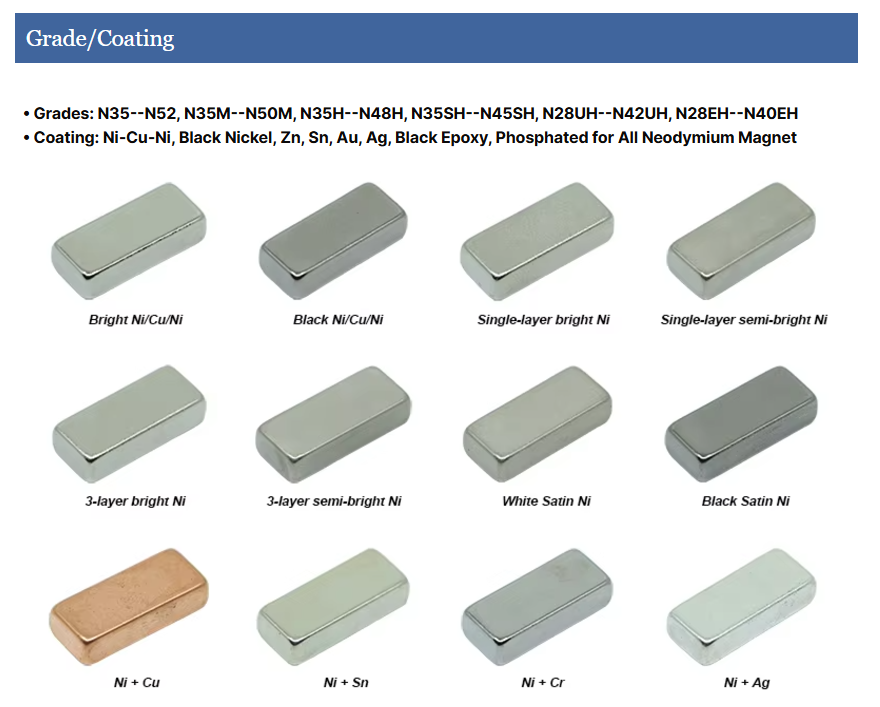
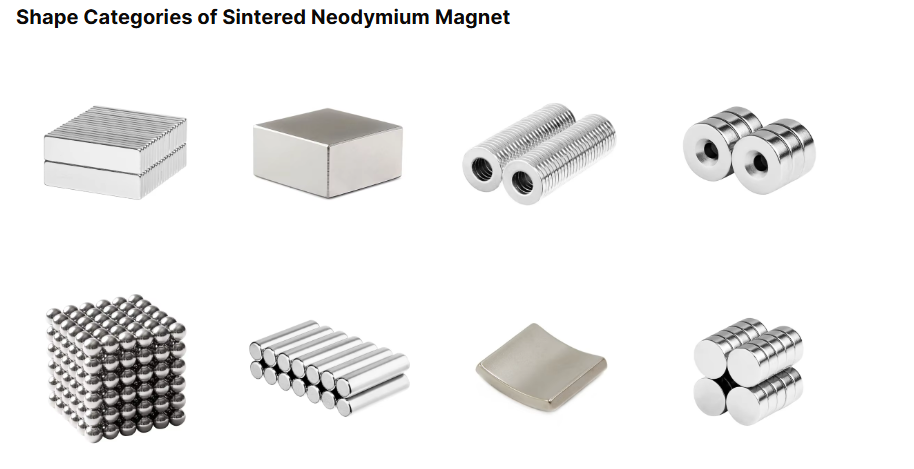
Neodymium Magnet is a type of rare-earth permanent magnet, boasts the strongest magnetic properties among all
commercially available magnets. Its high energy product, combined with excellent mechanical properties, makes it an ideal choice for applications requiring high magnetic field strength in compact designs, such as electric motors, generators, sensors,
speakers, and magnetic resonance imaging (MRI) machines. The material's versatility and durability have revolutionized numerous
industries, enhancing efficiency and performance in numerous devices worldwide.
Pot magnets, also known as cup magnets, are a type of permanent magnet encased in a metal 'pot' or cup. Here are some advantages and applications of pot magnets:
Advantages
Increased Holding Power: The metal pot enhances the magnetic force by redirecting the magnetic field from the back side of the magnet to the open side, which increases the holding force provided by the magnet on the open side.
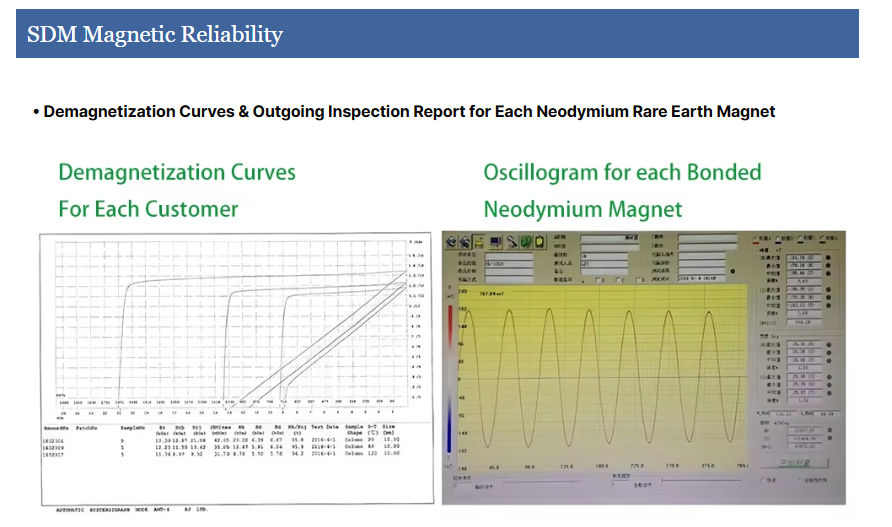
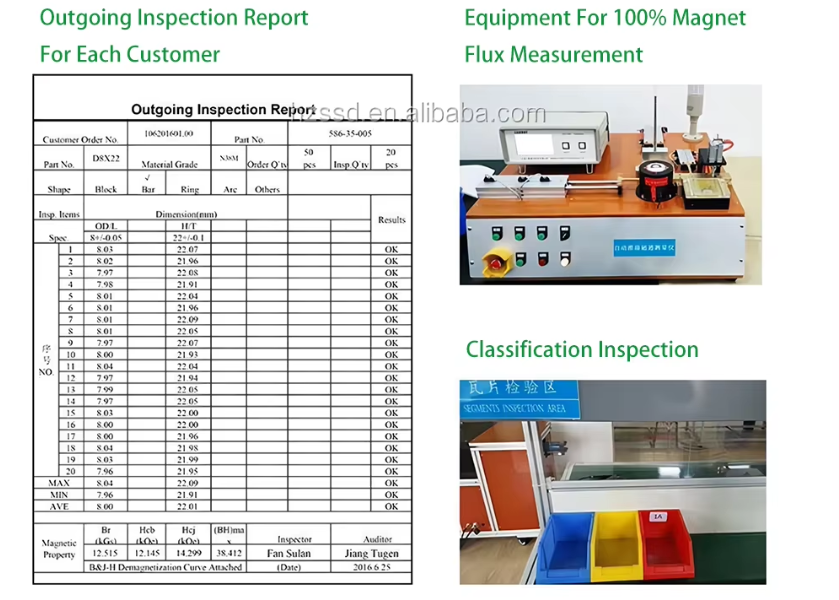
Protective Covering: The metal pot not only enhances the magnet's power but also protects the magnet from damage. It reduces chipping or cracking of the brittle magnet material, such as neodymium.
Versatility in Mounting: Pot magnets often include a threaded hole, a hook, or an eyelet on the non-magnetic face, which allows for easy attachment with screws or hooks, making them highly versatile for various mounting options.
Compact Size: These magnets provide strong magnetic strength in a compact design, which is advantageous in applications where space is limited.
Resistance to Demagnetization: The casing helps shield the magnetic material from external magnetic fields that might otherwise demagnetize the magnet.